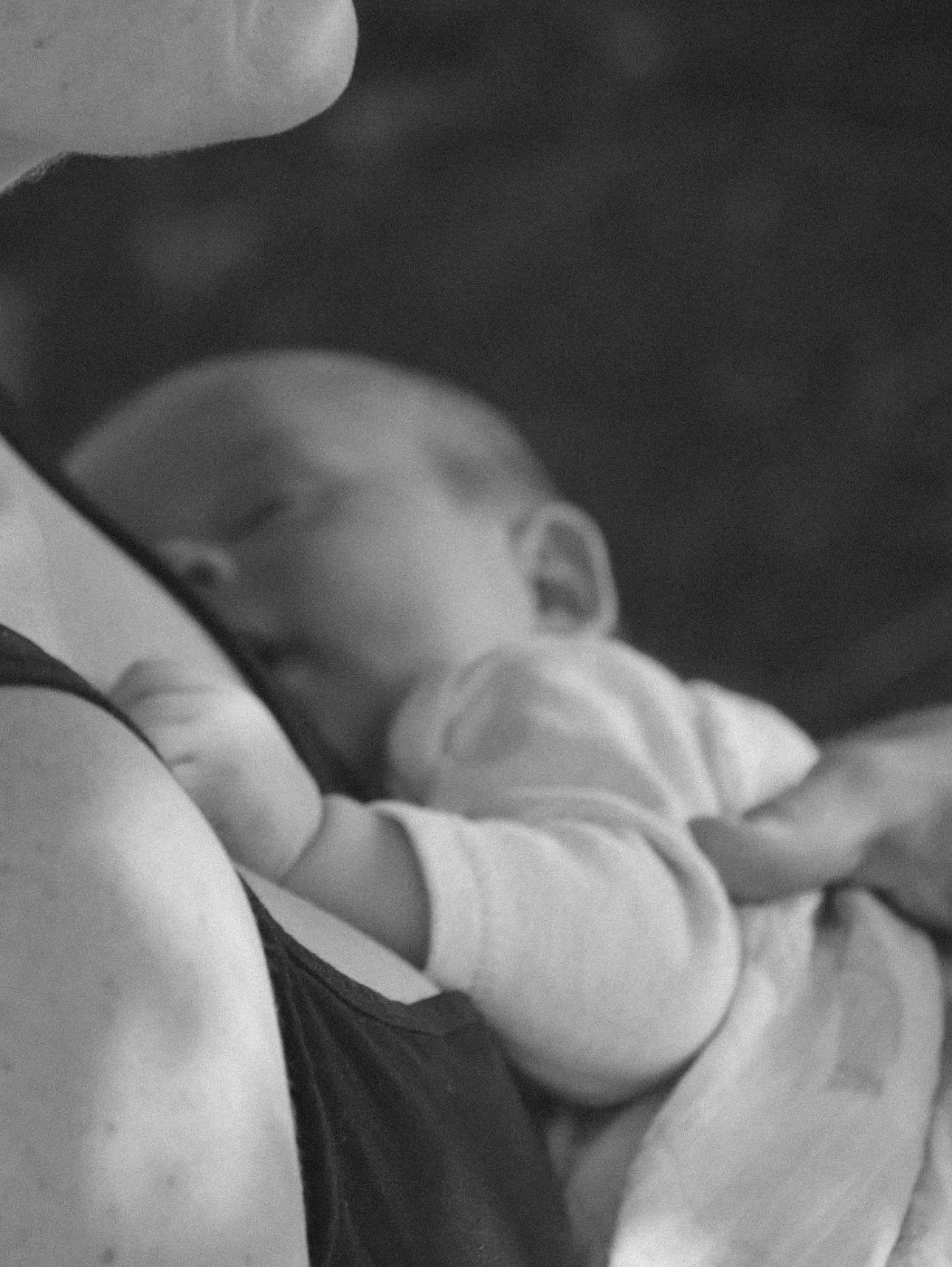
Postpartum Wellbeing: Simple Ways to Support Your Body
The postpartum period is a time of incredible change. While much attention is placed on caring for a newborn, it is equally important to support the mother as her body recovers from pregnancy, birth and the demands of early motherhood.
After birth, the body is undergoing significant physical and hormonal changes. Nutrient needs are at an all time high, sleep is often fragmented and the transition into motherhood, or mothering mutiple children, can place additional demands on energy, mood and overall wellbeing.
A naturopathic approach to postpartum care focuses on restoring the foundations of health — nourishing the body, supporting recovery and creating space for rest whenever possible.
1. Prioritise nourishing, nutrient-dense foods
Pregnancy, birth and breastfeeding place significant nutritional demands on the body. Adequate intake of protein, essential fats, vitamins and minerals supports tissue repair, energy production and overall health.
Focus on including:
Protein-rich foods
Protein provides amino acids needed for tissue repair and healing, immune function, maintaining muscle mass and producing breast milk. Include foods such as eggs, legumes, fish, meat, tofu, nuts and seeds.
Iron-rich foods
Iron requirements remain important after birth, particularly following blood loss during delivery, as well as the increased demands that accompany breastfeeding. Include sources such as legumes, leafy greens, seafood, meat and iron-fortified foods alongside vitamin C-rich foods to support absorption.
Healthy fats
Omega-3 fatty acids are important for brain health and may be particularly relevant during breastfeeding due to their role in supporting maternal and infant health. Sources include oily fish, chia seeds, flaxseeds and walnuts.
A variety of colourful plants
Fruit, vegetables, herbs and spices provide fibre, antioxidants and a wide range of nutrients to support overall health and digestive function.
2. Support energy and blood sugar balance
The postpartum period often involves irregular meals, broken sleep and increased physical demands. These factors can contribute to fluctuations in energy levels.
Building balanced meals with protein, fibre and healthy fats can help provide sustained energy throughout the day.
Simple ideas include:
Adding nuts or seeds to snacks
Pairing fruit with protein
Preparing nourishing meals ahead of time
Keeping easy options available for busy moments
Small, consistent choices woven throughout your day can make a huge difference when time and energy are limited.
3. Support sleep
Sleep is often fragmented during the postpartum period, making quality just as important as quantity. While uninterrupted sleep may not be realistic, there are simple ways to support your body's natural sleep physiology:
Get morning sunlight soon after waking to help regulate your circadian rhythm and support healthy melatonin production later that evening.
Keep lights dim in the evening where possible, particularly during overnight feeds. This includes phone screens — try to avoid scrolling.
Eat balanced meals with protein, fibre and healthy fats throughout the day to support stable blood sugar and sustained energy.
Stay well hydrated, especially if breastfeeding.
Include magnesium-rich foods into your diet to support sleep quality. Think leafy greens, legumes, nuts and seeds, or speak with a naturopath about whether supplementation may be beneficial.
4. Support your nervous system
Motherhood places women in a near constant state of response. Feeding, soothing, carrying and responding to your baby's needs often while sleep deprived, can leave your nervous system feeling overwhelmed.
Small moments throughout the day can help regulate your stress response:
Step outside for fresh air.
Feel the morning sun on your face to help regulate your circadian rhythm.
Stand barefoot on the grass and reconnect with nature.
Take a few slow breaths, making your exhale longer than your inhale.
Ask for help and create moments where someone else can hold the baby while you pause.
These practices may seem simple, but they send signals of safety to your nervous system and can help support emotional wellbeing.
5. Nourish digestion
Digestion can change during the postpartum period due to hormonal shifts, changes in routine, increased stress levels and reduced physical activity.
Supporting digestive health can include:
Eating warming, slow cooked foods
Eating regular meals where possible
Including fibre-rich foods
Drinking enough fluids
Including fermented foods if tolerated
Eating slowly, mindfully and properly chewing food
Supporting digestion supports a healthy gut which is vital for nutrient absorption, immune function and overall wellbeing.
6. Reconnect with your body through gentle movement
While emphasis should always be on resting in the postpartum period, many women find incorporating gentle movement to be a beautiful way to reconnect to their bodies after pregnancy and birth.
Once cleared by your healthcare provider, gentle movement can:
Improve mood and support mental wellbeing.
Reduce stiffness from feeding and carrying your baby.
Improve posture and mobility (often compromised in pregnancy).
Gradually rebuild strength through the core and pelvic floor.
Walking, yoga and Pilates are all great ways to gently support recovery.
7. Seek support when you need it
The postpartum period is a significant transition, and there is no expectation that mothers should navigate it alone.
Seeking support is a valuable part of caring for your health and wellbeing. The right support can help you recover physically, adjust emotionally and feel more confident during this demanding stage of life.
Depending on your individual needs, support may include:
A clinical naturopath to assess nutritional status, support recovery and determine whether targeted supplementation may be beneficial alongside a nourishing diet.
A lactation consultant to provide guidance with breastfeeding, feeding challenges or establishing a feeding routine
A women’s health physiotherapist to support recovery of the pelvic floor, abdominal wall and movement after birth
A psychologist or mental health professional if you are experiencing ongoing feelings of overwhelm, anxiety, low mood or difficulty adjusting.
A loving note:
As a mother of two, both of my postpartum experiences have been some of the most demanding seasons of my life. With both babies experiencing months of intense crying and needing a lot of support, the demands were high and time for my own nourishment was often limited.
While wellness tips like these make sense from a nutritional and physiological perspective, I also know firsthand that postpartum life doesn’t always allow for perfection. Simply weaving these practices into your day wherever you can — a nourishing meal, a warm drink, a moment to pause — can have a meaningful impact on supporting your healing, replenishing your body and building the foundations you need to care for yourself and your baby during this transformative season.