2 Herbal Tea Recipes to Support Sleep
Herbal medicine has been used traditionally to support relaxation, sleep and overall wellbeing. Many sleep-supportive herbs are known as nervines — herbs that help support the nervous system and promote a sense of calm.
While herbal teas are not a replacement for addressing the foundations of sleep, they can be a simple and nourishing addition to your evening routine.
Chamomile & Lavender Tea
Ingredients:
1 tsp dried chamomile flowers
½ tsp dried lavender flowers
250 mL hot water
Steep for 5–10 minutes and enjoy before bed.
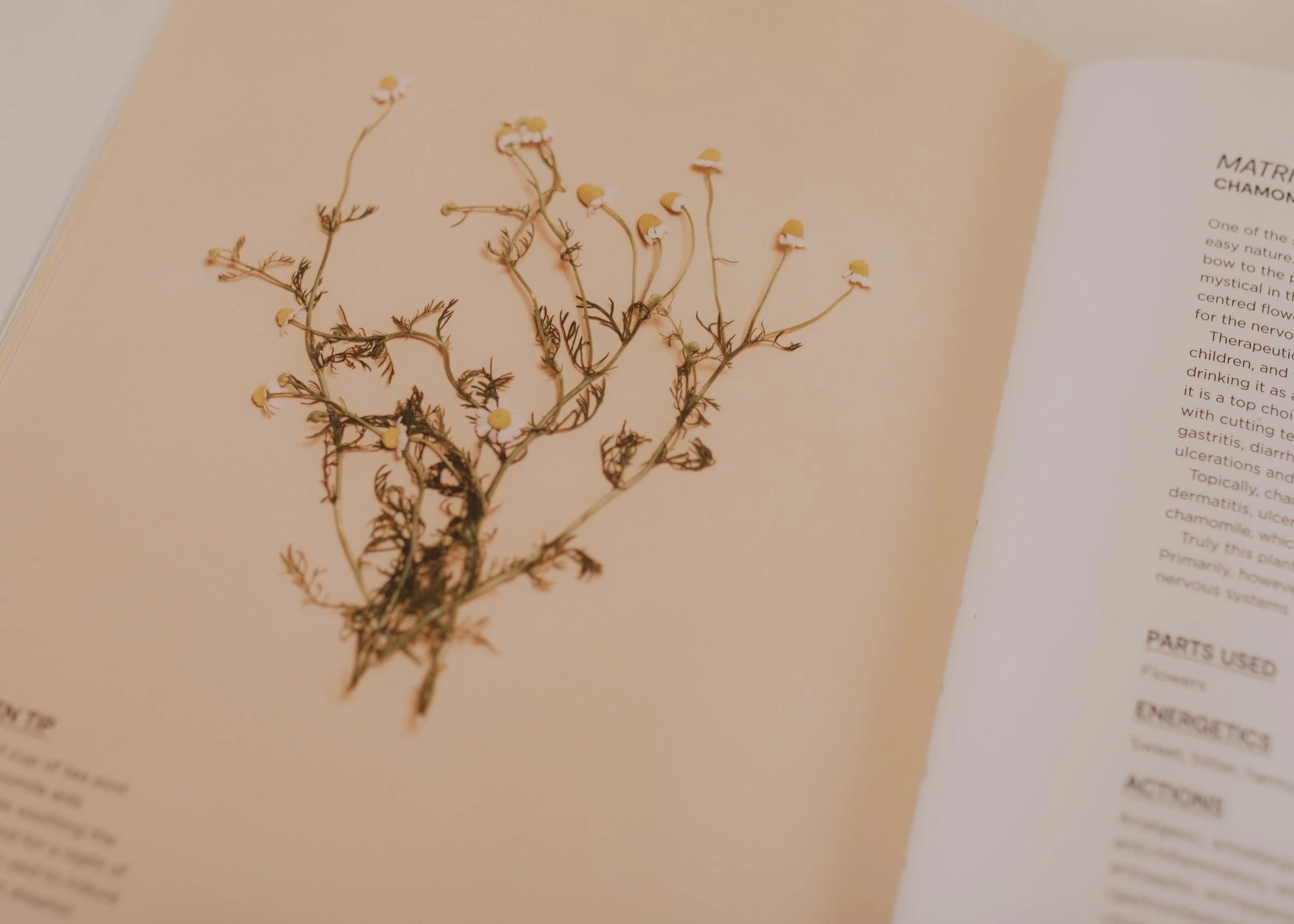
Chamomile (Matricaria chamomilla)
Traditionally used as a calming nervine and carminative to support relaxation and digestive comfort. Chamomile contains the flavonoid apigenin, which research suggests may interact with GABA receptors involved in nervous system calming.
Lavender (Lavandula angustifolia)
Lavender contains aromatic compounds including linalool and linalyl acetate, which have been studied for their potential calming effects and role in supporting relaxation.
Lemon Balm & Passionflower Tea
Ingredients:
1 tsp dried lemon balm
1 tsp dried passionflower
250 mL hot water
Steep for 5–10 minutes and enjoy as part of your evening wind-down.
Lemon Balm (Melissa officinalis)
Traditionally used as a calming nervine and digestive herb. It contains rosmarinic acid, a plant compound with antioxidant activity that has been researched for its potential role in supporting mood and stress response.
Passionflower (Passiflora incarnata)
Traditionally used as a relaxing nervine. It contains flavonoids including chrysin and vitexin, which have been studied for their interaction with GABA pathways involved in relaxation.
Creating Your Evening Ritual
A herbal tea can be more than just a drink — it can become a cue to slow down and transition into rest.
Pair your tea with:
Gentle yoga or stretching
Reduced evening light exposure
Slow breathing
A consistent bedtime routine
Small, consistent rituals can be a valuable part of supporting healthy sleep habits.