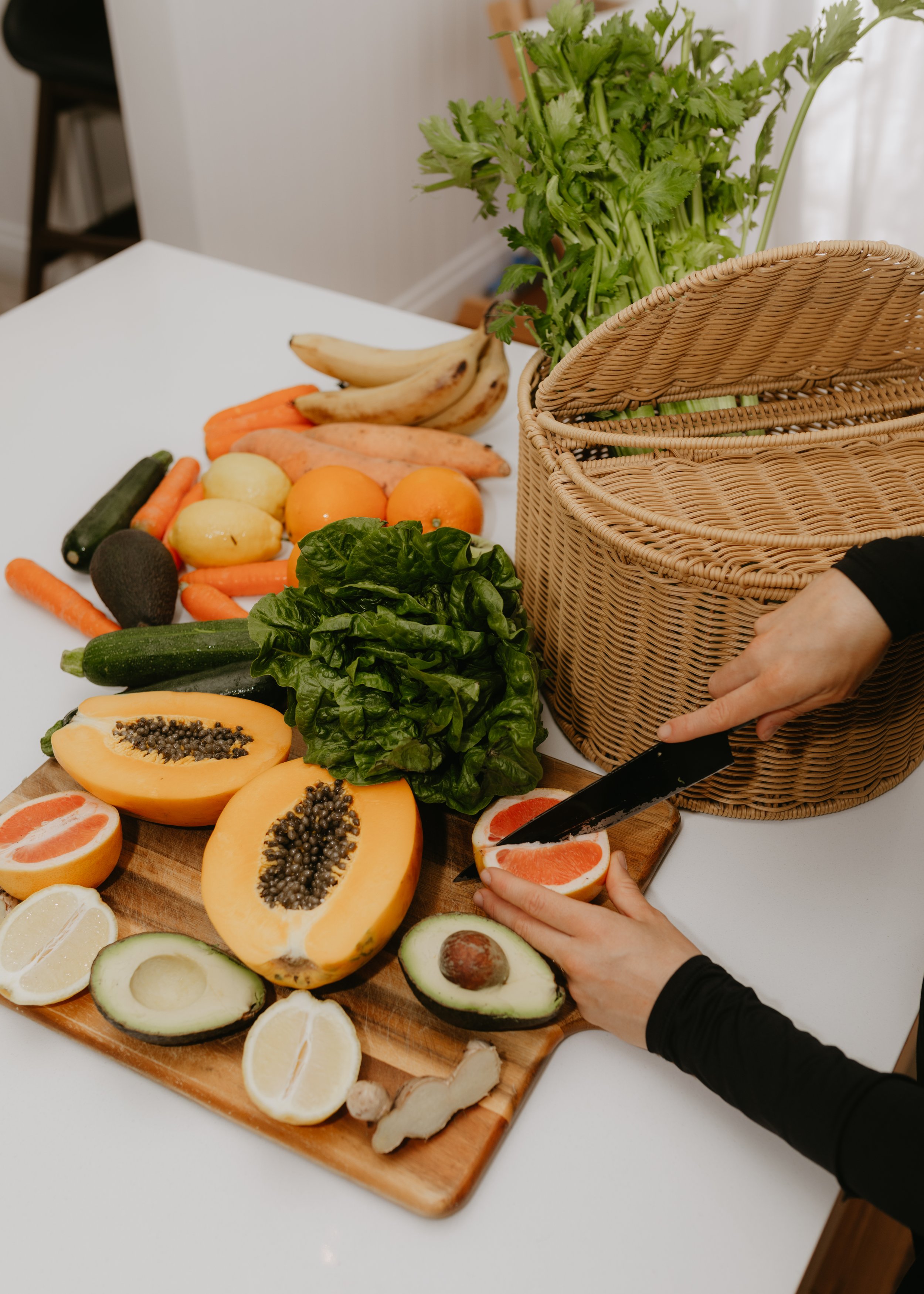
Gut Health Basics: Where to Start
Gut health has become one of the most talked-about topics in health and wellness—and for good reason. Your digestive system does much more than break down food. It plays an important role in nutrient absorption, immune function, and communicates closely with the brain through what's known as the gut-brain axis.
While social media is full of gut health "hacks" and expensive supplements, supporting your gut doesn't have to be complicated. Often, it's the simple habits that make the biggest difference over time.
What is gut health?
Your gut is home to trillions of microorganisms, collectively known as the gut microbiome. These bacteria, fungi and other microbes play an important role in digestion and help support many aspects of overall health.
A healthy gut isn't about having a "perfect" microbiome. Instead, it's about encouraging diversity and creating an environment where beneficial microbes can thrive.
Five simple ways to support your gut
Eat a variety of plant foods
Different gut bacteria thrive on different fibres. Eating a wide variety of vegetables, fruit, legumes, wholegrains, nuts and seeds provides nourishment for your microbiome and helps promote diversity.
Include fibre every day
Fibre is one of the most important nutrients for gut health, yet many Australians don't eat enough. Alongside supporting regular bowel movements, many types of fibre act as fuel for beneficial gut bacteria.
Add fermented foods
Foods such as natural yoghurt, kefir, sauerkraut and kimchi contain live microorganisms that may help support a healthy gut microbiome. If you're new to fermented foods, start with small amounts and increase gradually.
Manage stress
The gut and brain are closely connected. Ongoing stress can influence digestion, bowel habits and gut function. Gentle movement, mindfulness, quality sleep and relaxation techniques can all help support a healthy gut-brain connection.
Stay hydrated
Water supports healthy digestion and helps fibre move comfortably through the digestive tract. Aim to drink enough fluids throughout the day, particularly if you're increasing your fibre intake.
When should you seek support?
Occasional digestive symptoms are common, but ongoing bloating, abdominal pain, changes in bowel habits or persistent digestive discomfort shouldn't be ignored.
A personalised approach is often the most effective. Rather than relying on restrictive diets or unnecessary supplements, naturopathy aims to identify the underlying factors contributing to digestive symptoms and develop a treatment plan tailored to your individual needs.